
Complete Guide · Updated For Arizona Commercial Roofs
Spray Polyurethane Foam Roofing
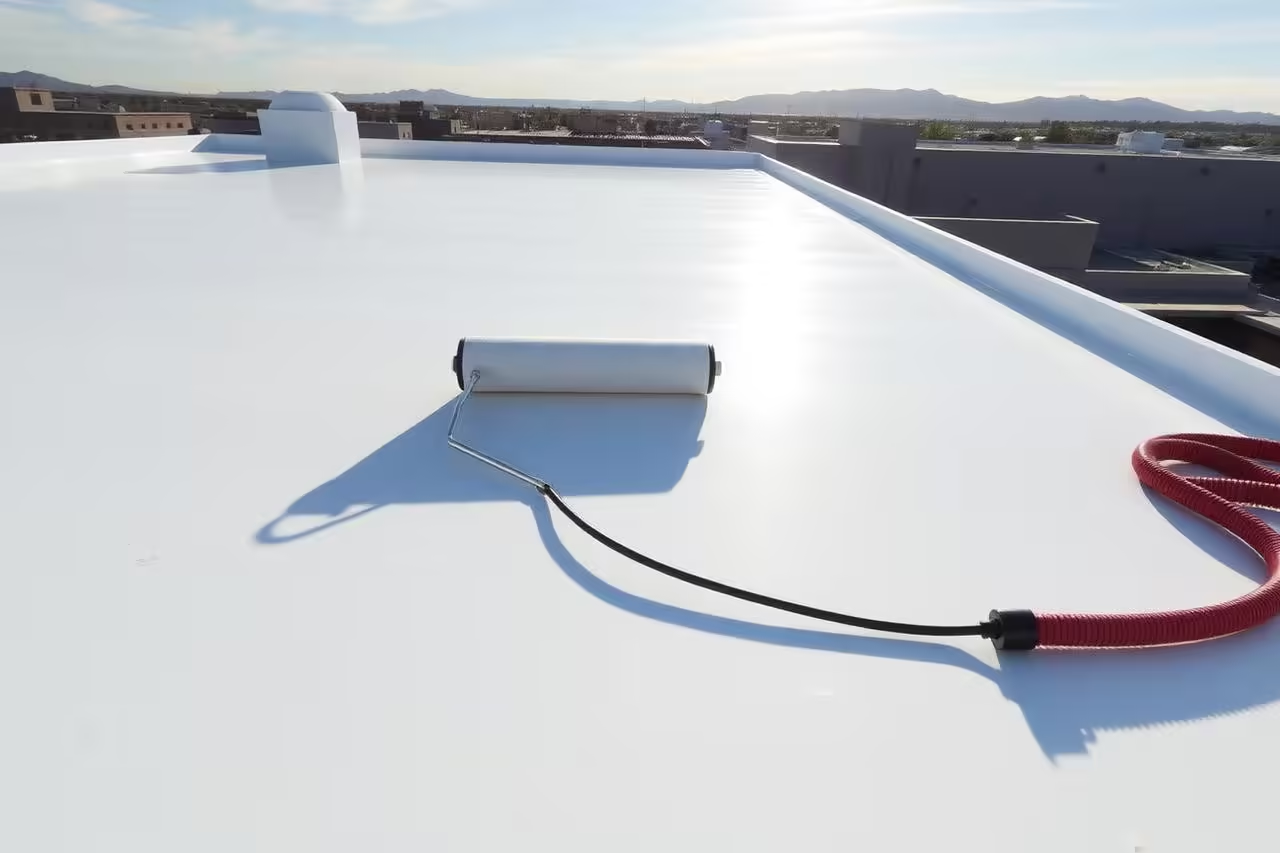
Spray polyurethane foam is a seamless, fully adhered system that insulates as it waterproofs. The foam itself is only as good as the protective coating over it, which is what actually stands up to the Arizona sun.

What Spray Polyurethane Foam Roofing Actually Is
Spray polyurethane foam roofing is a seamless system sprayed directly onto the deck, expanding into a rigid, insulating foam layer that is then finished with a protective elastomeric coating.
Unlike membrane or shingle systems, SPF has no seams to fail, and its insulating value is part of the system rather than an added layer, making it a strong option for Phoenix metro buildings managing energy costs under sustained summer heat.
The coating over the foam is what protects it from UV and monsoon rain, and it is the part of the system with the most defined maintenance schedule. Foam left uncoated or under a failing coating degrades quickly, so tracking coating condition matters more here than on almost any other commercial roof system.
Coating Provides The Waterproofing
The foam itself is not designed to be left exposed. The elastomeric coating over it is the actual weatherproof layer.
Seamless, Fully Adhered System
No laps or seams to fail, which reduces one common leak source found on membrane roofing systems.
Recoat Every 5 To 10 Years
Interval depends on coating type and thickness, verified by inspecting mil thickness and UV wear rather than guessing.
Common On Flat Commercial Roofs
Frequently used on low-slope commercial buildings across the Phoenix metro area for its insulating properties.
Know Which Coating System You Have
On an SPF roof, the coating you see is what is actually protecting the foam, not the foam itself. Identifying which coating is installed decides the entire maintenance plan.
Bright white, reflective finish, most common in this climate
Periodic recoat as reflectivity and mil thickness decline
Chalking and thinning coating at ponding or high-traffic areas
Smooth, highly UV and ponding resistant finish
Recoat on a longer cycle, monitor for dirt pickup over time
Dirt accumulation reducing reflectivity, not a structural concern
Dull, powdery surface residue on hand contact
Needs prompt recoat evaluation before foam exposure occurs
Coating thickness dropping below manufacturer minimums
Yellowed, brittle foam surface with no visible coating
Needs immediate professional assessment, not a maintenance routine
Foam degradation and moisture intrusion beneath the surface
Catch It Early
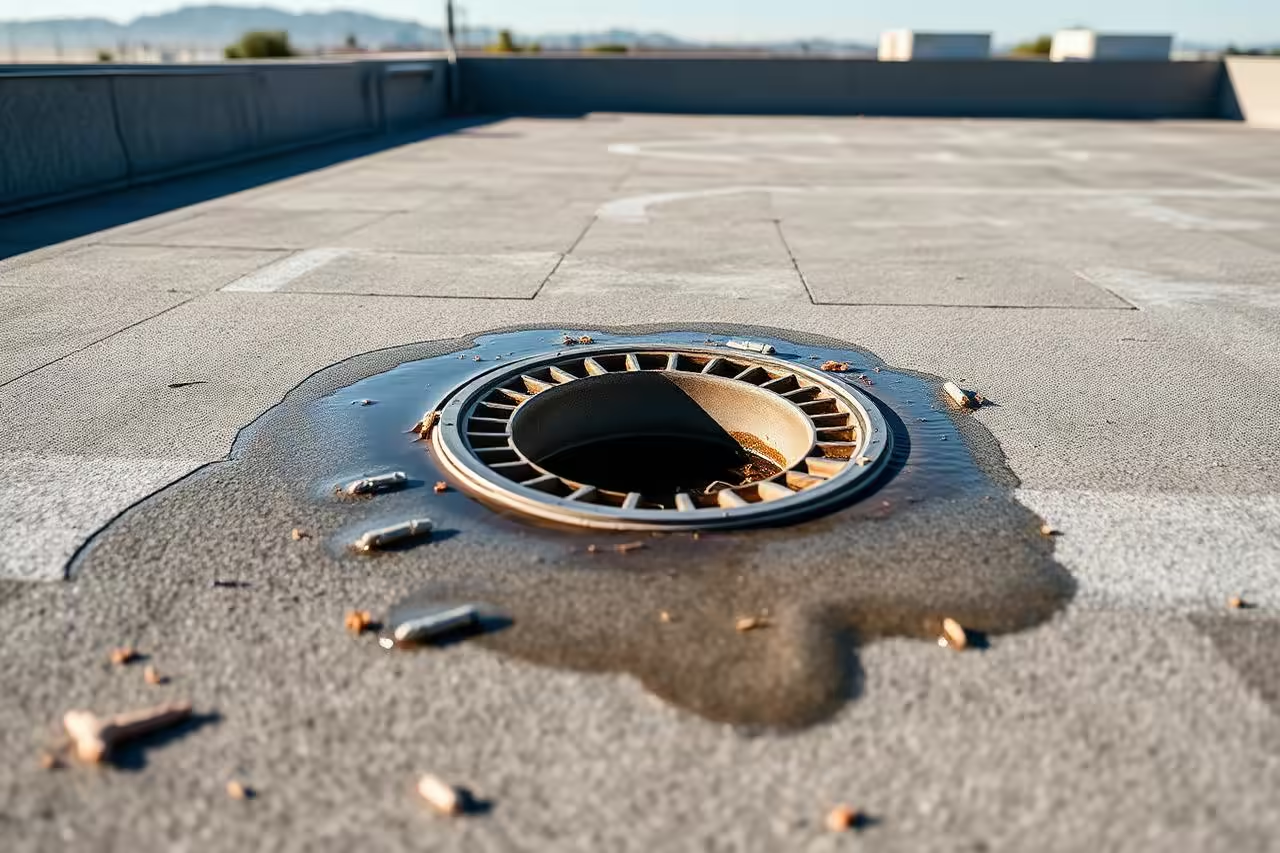
SPF roofing tells you clearly when the coating is failing. These signs mean the foam beneath is losing its protection right now.
A Routine You Can Actually Keep
Keep ponding areas monitored and the recoat schedule honest. Those two habits carry an SPF roof for decades.
- Visual walk checking for chalking, blistering, and ponding areas
- Inspect penetrations, drains, and rooftop equipment mounts for coating integrity
- Professional inspection with mil thickness testing
- Recoat proactively before exposed foam becomes widespread
The Deep Clean Process
This is the sequence a commercial roofing crew follows on an SPF inspection visit, so a facility manager understands what is being checked and why.
- 01
Clear Debris From The Field
Remove loose debris and check drains, since blocked drainage is what causes ponding to persist on a flat SPF roof.
- 02
Inspect Coating Condition
Check for chalking, blistering, or thinning coating across the field, especially in high-traffic and ponding areas.
- 03
Check Drainage And Ponding Points
Confirm water drains within the expected window after a monsoon storm rather than sitting for days.
- 04
Inspect All Penetrations
Curbs, vents, and rooftop equipment mounts are the most common leak points on any SPF roof system.
- 05
Test Mil Thickness
Measure coating thickness at multiple points to confirm it remains within manufacturer specifications.
- 06
Document Findings
Photograph and log every issue so repair priorities are clear and the roof's condition is tracked over time.
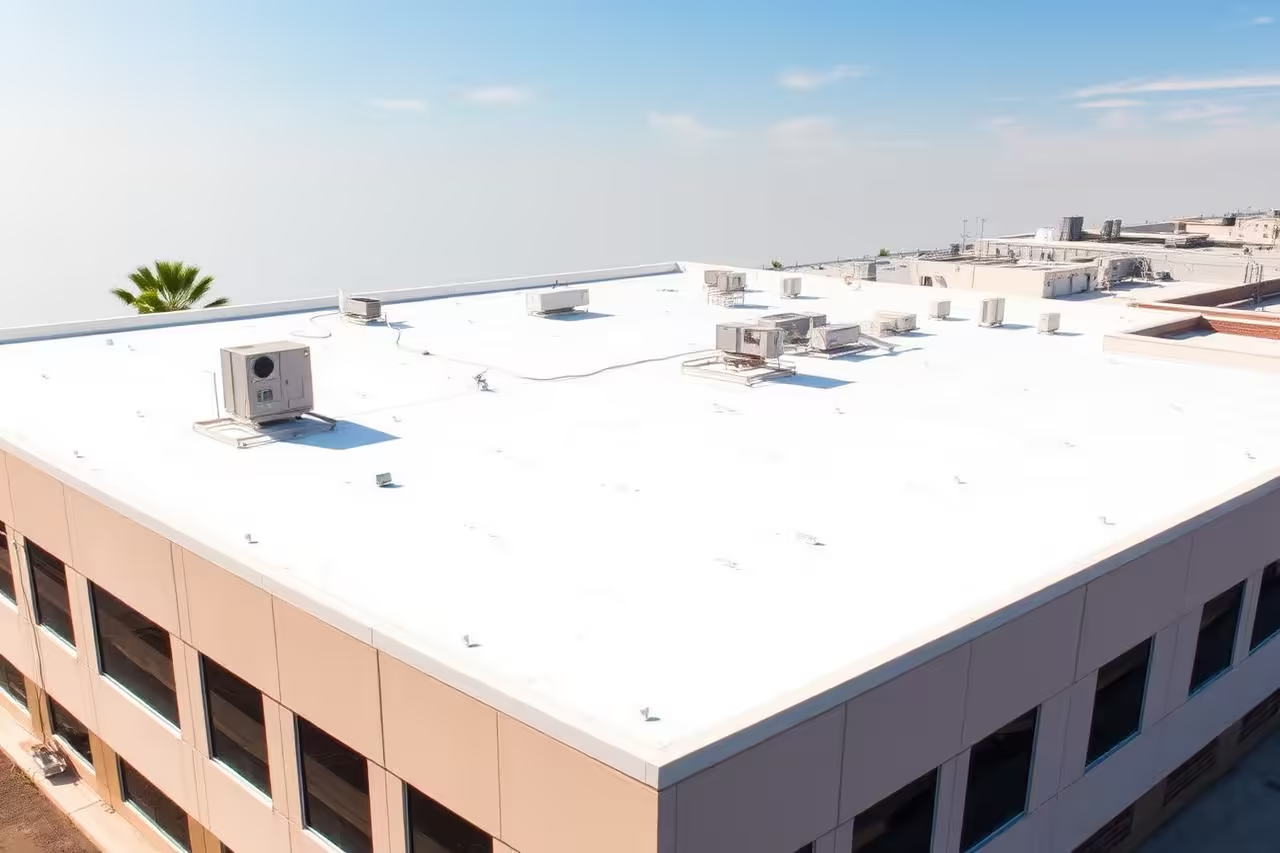
An Under Coated SPF Roof Is A Functional Failure
An unprotected or under coated foam roof is not a cosmetic issue, it is a functional failure of the entire system.
This is the one system where the coating is not simply protecting the surface, it is the only thing standing between the foam and direct UV and monsoon rain exposure. Everything else in this guide follows from that.
- Recoat before the coating chalks through, not after
- Know which coating type is installed before planning maintenance
- Treat ponding water as a drainage issue to be resolved, not tolerated
- Address exposed foam immediately rather than waiting for scheduled maintenance
Failure & Repair Chart
On SPF roofing, most surface issues are really a coating status report. Read them that way before assuming a simple patch will do.
Chalking Coating Surface
Schedule a recoat evaluation, since chalking indicates the UV protective layer is thinning
Ponding Water Marks
Address the underlying drainage issue rather than treating it as a surface stain
Blistering Or Bubbling Coating
Assess for trapped moisture beneath the coating, which may require localized foam repair
General Dirt Accumulation On Coating
A gentle rinse restores reflectivity without disturbing the coating layer
Do This, Never That
Do
- Recoat proactively before the surface shows chalky wear
- Keep drains and scuppers clear of debris
- Inspect after every significant monsoon storm
- Identify the existing coating type before planning work
Don't
- Letting the roof go years past its recoat schedule
- Ignoring ponding water that sits for more than 48 hours
- Assuming intact-looking foam is still fully coated and protected
- Coating over foam that already shows moisture damage without assessment
What Actually Gets Sealed
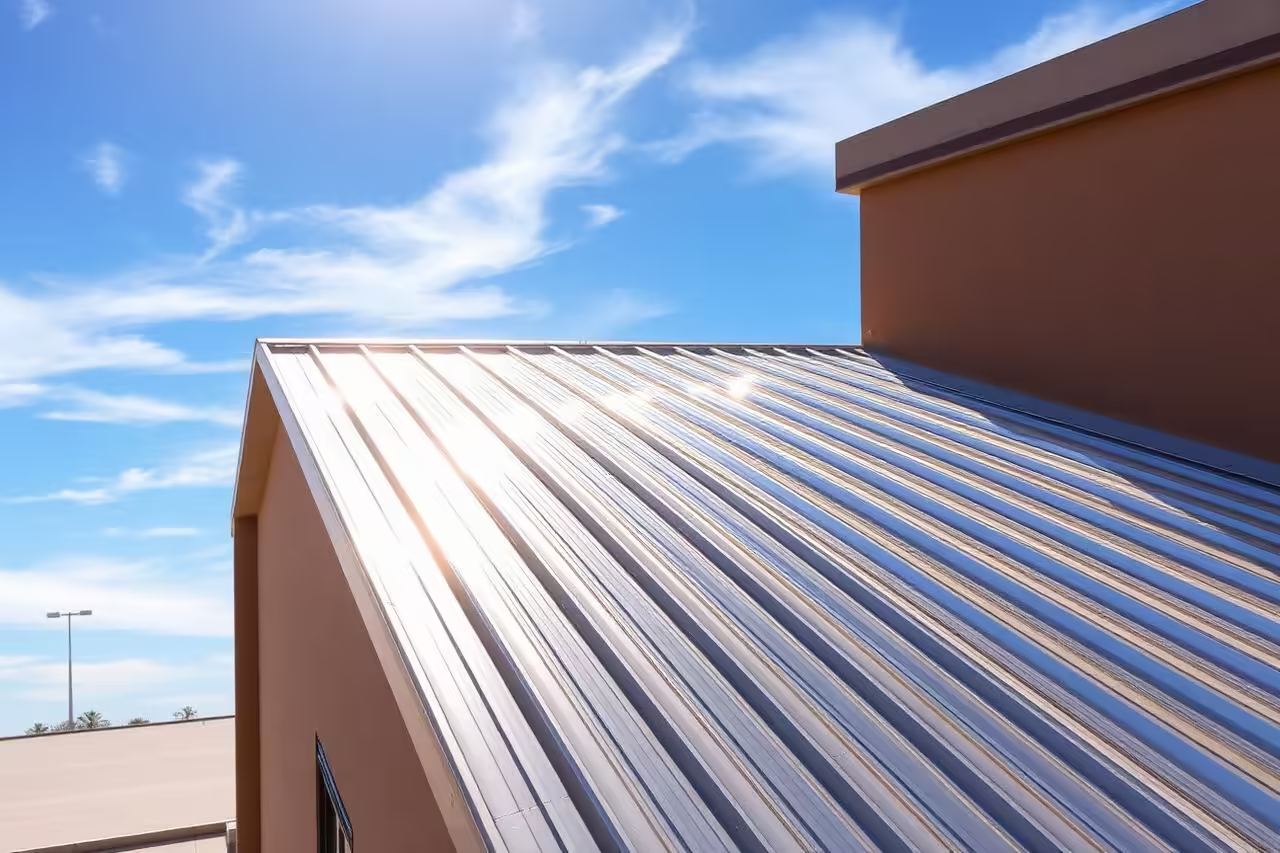
The entire foam surface, without exception. SPF roofing is functionally unprotected until it carries a full, adequately thick coating, unlike systems with an inherently weatherproof top layer.
The Entire Foam Surface
Every square foot takes coating. A single missed area exposes foam directly to UV and rain.
Drains And Scuppers
Drainage points get extra coating attention, since they see the most standing water on a flat roof.
Penetrations And Edges
Rooftop equipment penetrations and roof edges wear first, so they get extra attention at every recoat.
When To Call A Pro
Homeowner care handles maintenance. These four situations are restoration work, and waiting on them almost always raises the cost.
Chalky Or Powdery Coating Surface
Chalkiness means the UV protection is fully gone and the foam itself is starting to be exposed.
Ponding Water Persisting Beyond 48 Hours
Standing water across multiple areas indicates a drainage design issue that needs professional evaluation.
No Recoat In More Than Ten Years
Past the manufacturer's expected coating life, assume the foam has been exposed and start with an assessment.
Soft Or Spongy Foam Underfoot
Soft spots indicate moisture has already penetrated the foam and needs professional evaluation before recoating.
Want A Read On Your Roof?
Free assessment across the Phoenix metro and Tucson.
Spray Polyurethane Foam Questions

Related Pages
Quarry Tile Care
Dense unglazed clay tile: how it wears, and the maintenance it actually needs.
Learn moreRoof Coatings & Sealing
When a coating actually extends service life, which systems accept one, and recoat intervals.
Learn moreTerrazzo Restoration
Polished composite floors: grinding, honing, and keeping the finish consistent.
Learn moreReady When You Are
Protect Your Roof.
Get a Free Inspection.
Commercial roof installation, repair, and maintenance across the Phoenix metro and Tucson, locally owned and operated.
- Mon–Sat8 AM – 7 PM
- SundayClosed
- LicensedROC #359782
Phoenix Metro · Tucson
Free Roof Inspections For Owners & General Contractors