
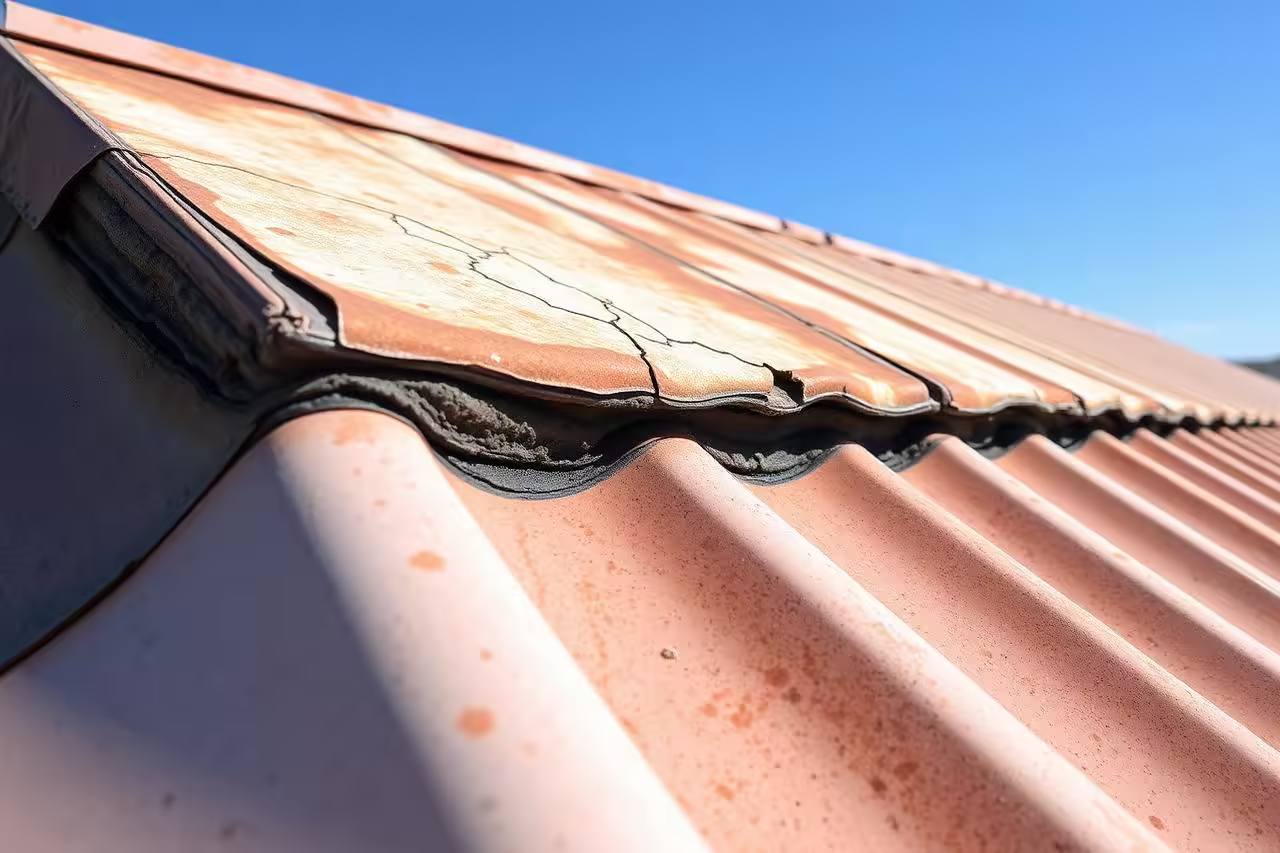
Complete Guide · Updated For Arizona Commercial Roofs
Roof Drainage And Ponding Water
Flat and low-slope commercial roofs are only as good as their drainage. Standing water that lingers after a storm is not a cosmetic issue, it is the leading cause of premature membrane failure on Phoenix metro buildings.

What Ponding Water Actually Means
Ponding water is any water that remains on a low-slope roof more than 48 hours after a rain event, and it concentrates stress on the membrane exactly where it collects.
It shows up on flat and low-slope commercial roofs across Phoenix metro, especially after a heavy monsoon downpour overwhelms a drain or scupper, and it is often the issue a building owner notices least until a leak appears far from where the water actually sits.
The water itself is rarely the only problem. It signals a slope, drain, or scupper condition that needs correcting, and how urgent that correction is depends on how long the water sits and what membrane it is sitting on. That is why a documented drainage inspection matters more than assuming a membrane will simply outlast standing water indefinitely.
48-Hour Drainage Standard
Industry guidance treats water still present 48 hours after rainfall as ponding that needs attention, not normal drying time.
Drain Condition Check
Clogged drains and scuppers are where ponding usually starts. Checking them regularly tells you whether the system can actually shed water.
Inspect Every 6 To 12 Months
Typical for most low-slope roofs, with additional checks warranted after heavy monsoon storms.
Common On Flat Commercial Roofs
Low-slope membrane systems are widespread on Phoenix metro commercial buildings, which is what makes drainage a routine inspection priority.
Know Which Drainage System You Have
Drainage design affects how quickly a roof sheds water and how much a blockage escalates. Interior drains, scuppers, and gutters each fail differently under the same monsoon downpour.
Drain bowls set into the roof field, tied to interior plumbing
Periodic strainer and drain bowl clearing, minimal exposed hardware to fail
Debris accumulation blocking flow during heavy downpours
Openings through the parapet wall that discharge water to the exterior
Regular clearing of debris and check of scupper flashing seals
Undersized scuppers overwhelmed during intense monsoon rainfall
Insulation built with slope to direct water toward drains
Inspect for low spots developing as insulation ages or settles
Birdbaths forming away from the intended drainage path
Perimeter collection common on smaller commercial buildings
Check for sagging, debris, and secure attachment
Debris clogging downspouts after wind events
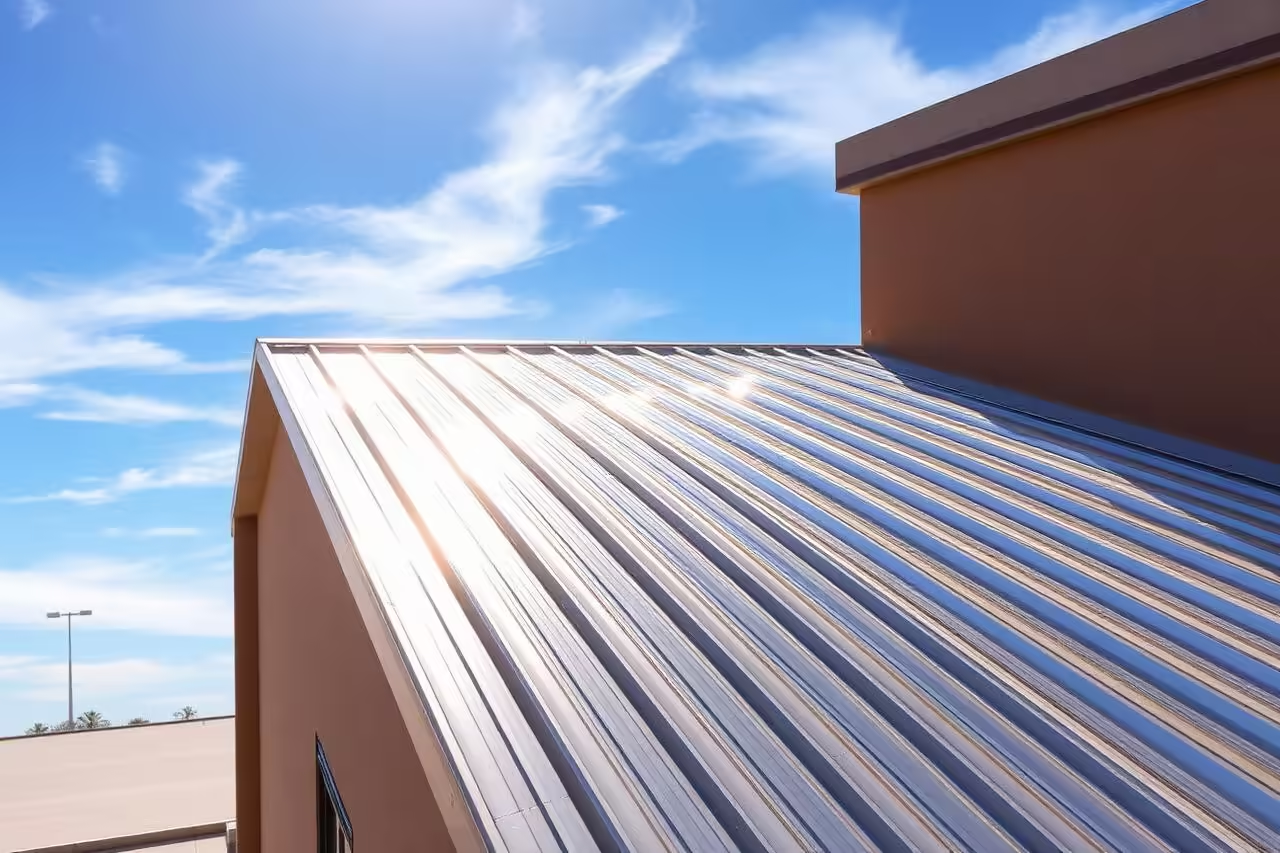
Catch It Early
Ponding water is deceptively quiet on a membrane roof. These are the signs worth checking on before they turn into leaks.
A Routine You Can Actually Keep
Drainage asks for consistent, focused attention. Keeping drains and scuppers clear is the single habit that keeps everything else simple.
- Visual walk checking drains, scuppers, and low spots for debris and standing water
- Detailed inspection of slope, tapered insulation condition, and drainage capacity
- Professional inspection with a written condition report
- Clear drains and correct minor low spots before the monsoon season
The Deep Clean Process
This is the sequence a commercial roofing crew follows when assessing drainage, so a facility manager understands what is being checked and why.
- 01
Clear Debris From Drains And Scuppers
Remove leaves, grit, and roofing granules that block the openings water needs to pass through.
- 02
Map Standing Water After Rain
Walk the roof after a storm to document exactly where water sits and how long it takes to clear.
- 03
Check Slope And Low Spots
Identify birdbaths forming away from the intended drainage path on tapered insulation systems.
- 04
Inspect Drain And Scupper Flashing
Confirm flashing seals around every drainage penetration remain intact and free of cracking.
- 05
Assess Membrane Condition Under Ponding Areas
Check for blistering, softening, or discoloration where water has repeatedly collected.
- 06
Document Findings
Photograph and log every low spot and blocked drain so repair priorities are clear and tracked over time.
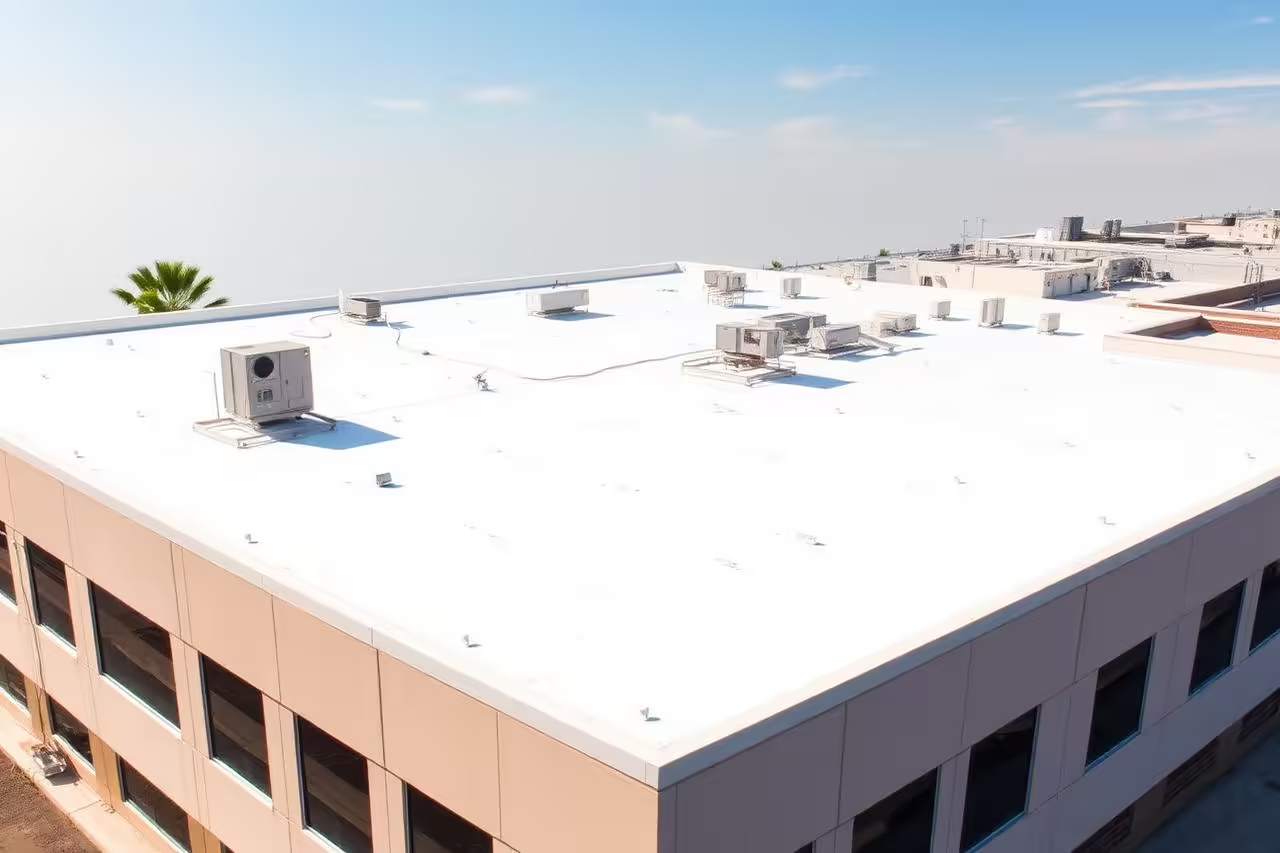
Drains And Low Spots Are Where Ponding Roofs Fail
Drains, scuppers, and low spots take the most stress on any flat roof system. These are the two areas to inspect first if standing water becomes a recurring problem.
Both spots see constant debris accumulation and, after a heavy monsoon downpour, the ongoing risk of water overwhelming an undersized or blocked drainage point. Checking those areas at every scheduled visit catches nearly everything before it becomes an active leak.
- Inspect drains and low spots first, not the open membrane field
- Watch for debris accumulation after every monsoon storm
- Keep scupper and drain flashing intact rather than letting it crack
- Correct a developing low spot before it becomes a permanent birdbath
Failure & Repair Chart
Ponding-related issues concentrate wherever water repeatedly collects. These are the ones that need a specific method.
Algae Staining In A Ponding Zone
Clean the area and correct the underlying drainage cause, since staining alone will return without it
Membrane Blistering Under Standing Water
Evaluate for repair or replacement, since blistering indicates trapped moisture beneath the surface
Debris Buildup At Drain Bowls
Clear promptly, since blocked drains are the most common cause of new ponding after a storm
Sediment Rings Marking Old Ponding Areas
Evaluate slope or tapered insulation for correction rather than treating the mark cosmetically
Do This, Never That
Do
- Inspect drains and scuppers on a consistent schedule
- Address ponding areas promptly after they are identified
- Keep drainage penetrations properly flashed and sealed
- Schedule inspections after significant monsoon storms
Don't
- Assume a flat roof drains properly just because it looks intact from the ground
- Ignore water still standing 48 hours after a storm
- Let debris accumulate around drains and scuppers between inspections
- Delay correcting a low spot once tapered insulation begins to settle

What Actually Gets Sealed
Correcting ponding water depends on drainage design, slope condition, and membrane type, determined by inspection rather than a fixed calendar.
Drain And Scupper Sealant
Flashing at drains and scuppers wears from UV and thermal cycling and should be checked and refreshed on schedule.
Low Spots First
Areas that pond longest lose their protective barrier before the rest of the roof, so inspect and address those first.
Tapered Insulation Correction
Some roofs benefit from added tapered insulation once a low spot develops, restoring positive drainage.
When To Call A Pro
Homeowner care handles maintenance. These four situations are restoration work, and waiting on them almost always raises the cost.
Water Standing More Than 48 Hours
Ponding beyond the standard drying window points to a drainage design issue, not isolated wear.
Membrane Blistering Beneath Standing Water
Blistering that has developed under a ponding area needs assessment before it compromises the membrane.
Recurring Low Spot In The Same Area
A low spot that keeps forming in the same location is a slope conversation, not a cosmetic one.
Persistent Leaks Despite Drain Clearing
If clearing the drains has not resolved a leak, the issue is likely deeper in the slope or deck and needs a full assessment.
Want A Read On Your Roof?
Free assessment across the Phoenix metro and Tucson.
Roof Drainage And Ponding Water Questions
Related Pages
Restoration Education
What grinding, honing, and repolishing actually do to an aged stone floor.
Learn moreRoof Coatings & Sealing
When a coating actually extends service life, which systems accept one, and recoat intervals.
Learn moreGranite Care
Dense polished stone care: the water droplet test and realistic reseal intervals.
Learn moreReady When You Are
Protect Your Roof.
Get a Free Inspection.
Commercial roof installation, repair, and maintenance across the Phoenix metro and Tucson, locally owned and operated.
- Mon–Sat8 AM – 7 PM
- SundayClosed
- LicensedROC #359782
Phoenix Metro · Tucson
Free Roof Inspections For Owners & General Contractors