

Complete Guide · Updated For Arizona Commercial Roofs
Roof Coatings And Restoration Systems
A roof coating and restoration system extends the service life of an existing roof rather than replacing it outright. It is dense, reflective, and built to handle repeated heat cycling, which is exactly why drainage and ponding areas need the closest attention.

What Roof Coating And Restoration Actually Is
Roof coating and restoration systems apply a fluid-applied, reflective membrane over an existing roof surface, extending its service life and improving UV and water resistance without a full tear-off.
Unlike a full roof replacement, a restoration system builds on the existing substrate, meaning surface preparation and existing roof condition matter as much as the coating product itself.
It is chosen specifically for its ability to extend service life and reduce building energy costs through reflectivity, which shapes the whole maintenance plan. The coating rarely fails uniformly, so attention goes to ponding areas, seam laps, and traffic paths first.
Applied Over Existing Substrate
Coating adheres to the prepared existing roof surface rather than replacing the underlying system entirely.
Reflective And Water Resistant
Reduces surface temperature and adds a water-resistant layer, but coating thickness at ponding areas still needs monitoring.
Recoat Every 5 To 10 Years
Traffic paths and ponding areas set the schedule, not the quieter parts of the roof field.
Extends Service Life Of Existing Roofs
A cost-effective option for buildings with an existing roof still in serviceable structural condition.
Know Which Coating System You Have
Different coating chemistries handle ponding and UV exposure differently. Identify the coating type before deciding on a maintenance or recoat plan.
Bright white, reflective, most common on sloped commercial roofs
Periodic recoat as reflectivity and thickness decline
Reduced performance in areas with prolonged ponding water
Smooth finish, strong ponding water resistance
Recoat on a longer cycle, monitor for dirt pickup
Dirt accumulation reducing reflectivity over time
Durable, often used on high-traffic roof areas
Inspect wear at foot traffic paths and equipment pads
Abrasion at points crews and technicians walk regularly
Chalky, thin, or cracking surface layer
Needs prompt recoat evaluation before substrate exposure
Substrate exposure allowing direct water intrusion
Catch It Early
Roof coating systems fail quietly at ponding areas and seam laps. These are the signs worth catching early.
A Routine You Can Actually Keep
Drainage monitoring and coating thickness checks are most of the job on a restoration roof system.
- Visual walk checking for chalking, cracking, and ponding areas
- Inspect drains, penetrations, and seam laps for coating integrity
- Professional inspection with mil thickness testing
- Recoat proactively on schedule to maintain full coverage
The Deep Clean Process
This is the sequence a commercial roofing crew follows on a coated roof inspection, so a facility manager understands what is being checked and why.
- 01
Clear Debris And Drains
Remove loose debris and confirm drains and scuppers are clear, since blocked drainage causes ponding to persist.
- 02
Inspect Coating Condition
Check for chalking, cracking, or thinning coating across the field, especially at ponding and traffic areas.
- 03
Check Ponding Areas
Confirm water drains within the expected window after a monsoon storm rather than sitting for days.
- 04
Inspect Seams And Laps
On coated membrane systems, confirm seams remain adhered and have not begun separating under the coating.
- 05
Test Coating Thickness
Measure mil thickness at multiple points to confirm it remains within manufacturer specifications.
- 06
Document Findings
Photograph and log every issue so repair priorities are clear and the roof's condition is tracked over time.
On Restoration Roofs, Ponding Areas Fail First
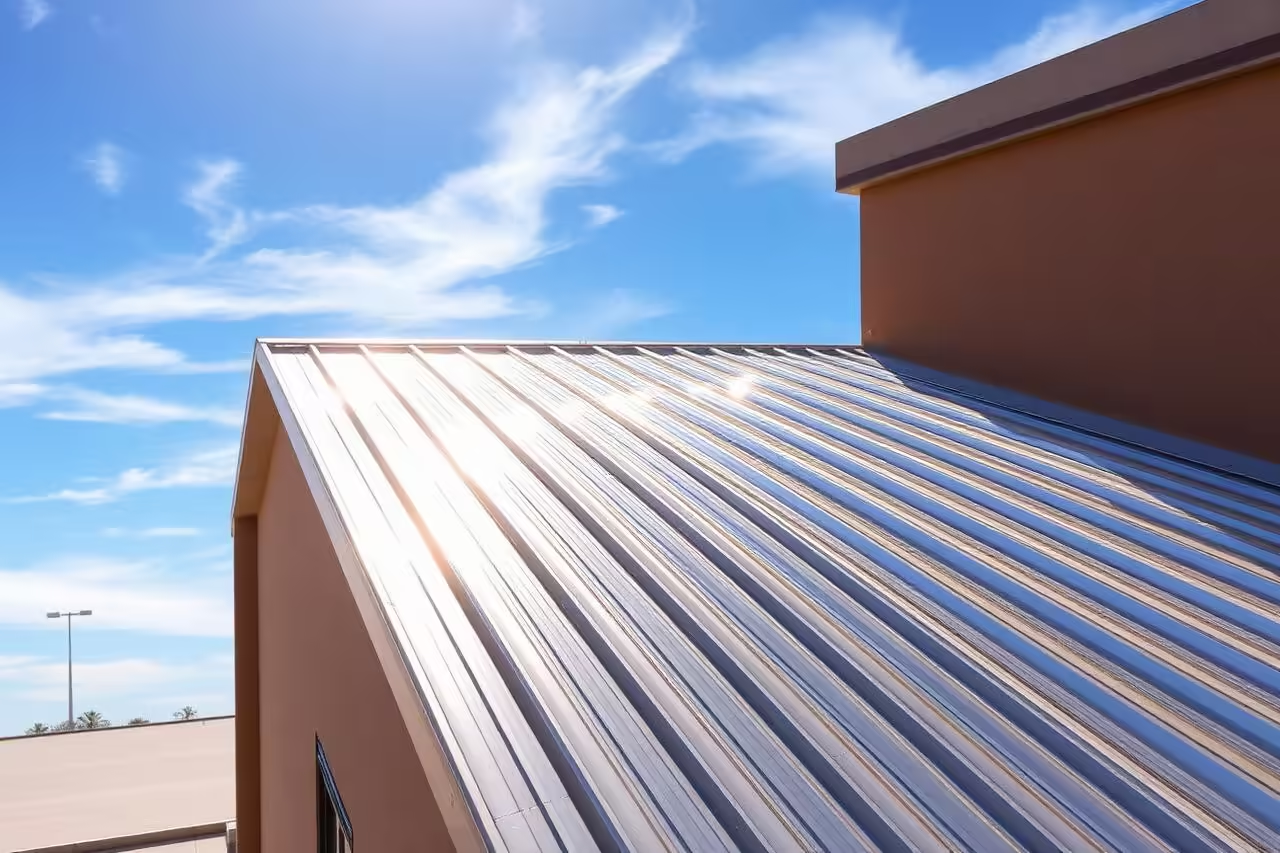
The field coating on a properly installed system is dense and hard wearing, so on restoration roofs, ponding areas are usually the first place coating performance breaks down.
That flips the usual maintenance priority. Plan around drainage condition, address ponding before it spreads, and the coating will keep doing its job through its expected service life.
- Inspect drainage and ponding areas at every visit, not just the field coating
- Correct low spots or clogged drains before moisture sits for extended periods
- Keep incompatible chemicals or solvents off the coating surface
- Recoat ponding-prone areas proactively ahead of the rest of the field
Failure & Repair Chart
Coated roofs see wear concentrated at drainage points and traffic paths more than anywhere else. Match the response to the source.
Ponding Water Marks
Address the underlying drainage issue and recoat the affected area rather than treating it as cosmetic
Chalking Or Faded Coating
Schedule a recoat evaluation, since chalking indicates the reflective UV layer is thinning
Cracking Or Alligatoring
Assess coating thickness and substrate condition before recoating over the affected area
General Dirt Accumulation
A gentle rinse restores reflectivity without disturbing the coating layer
Do This, Never That
Do
- Recoat proactively on schedule to maintain coverage
- Keep drains and scuppers clear of debris
- Address ponding areas before they worsen
- Confirm coating type before planning maintenance work
Don't
- Assuming all coating types need the same recoat interval
- Incompatible solvents or chemicals on the coating surface
- Letting ponding water sit for extended periods after monsoon storms
- Recoating over substrate that already shows moisture damage without assessment
What Actually Gets Sealed
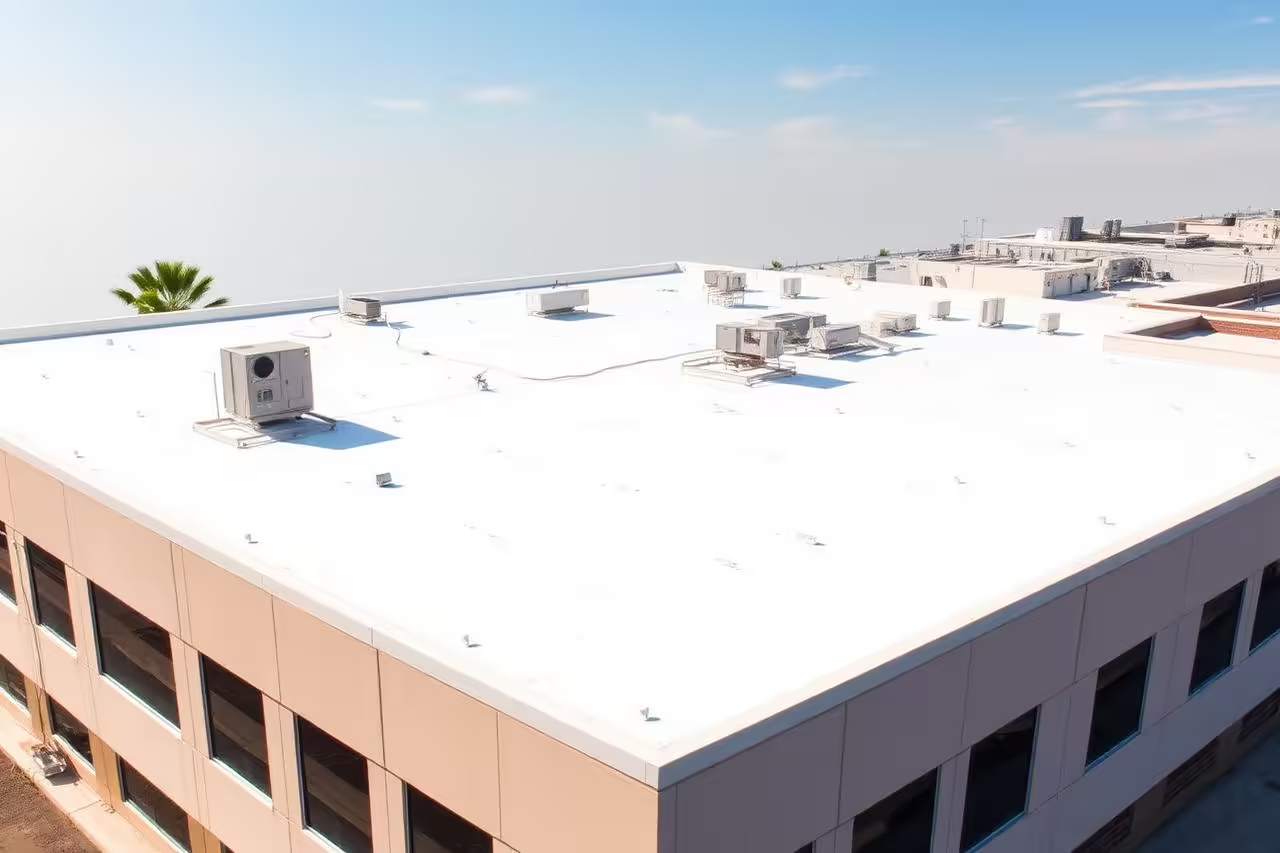
What gets recoated depends entirely on existing condition and coating type. This is the one assessment that changes the whole plan.
Full Roof Field
The entire roof surface takes a full recoat application across every section for consistent protection.
Drains And Ponding Areas
Ponding-prone areas get extra coating thickness and attention at every recoat cycle.
Penetrations And Traffic Paths
Equipment access paths and rooftop penetrations wear first and get extra attention at each maintenance visit.
When To Call A Pro
Homeowner care handles maintenance. These four situations are restoration work, and waiting on them almost always raises the cost.
Substrate Exposed Through Worn Coating
Exposed substrate in main traffic or ponding areas means the protective layer is gone where it is needed most.
Ponding Persisting Beyond 48 Hours
Standing water across multiple areas is a repair job, not something a cleaning visit resolves.
Cracking Coating At Roof Transitions
Failure at transitions and curbs spreads if not addressed and repaired promptly.
Coating Age Beyond Manufacturer Service Life
Past the expected recoat interval, assume performance has declined and start with an assessment.
Want A Read On Your Roof?
Free assessment across the Phoenix metro and Tucson.
Roof Coatings And Restoration Systems Questions
Related Pages
Saltillo Tile Care
The soft, handmade cousin: extremely porous clay that depends entirely on its sealer.
Learn moreCommercial Roof Leak Diagnosis
How we trace an active roof leak to its real source and decide between repair and replacement.
Learn moreEPDM Roofing Systems
The rubber-membrane comparison point: how EPDM is attached, sealed, and maintained.
Learn moreReady When You Are
Protect Your Roof.
Get a Free Inspection.
Commercial roof installation, repair, and maintenance across the Phoenix metro and Tucson, locally owned and operated.
- Mon–Sat8 AM – 7 PM
- SundayClosed
- LicensedROC #359782
Phoenix Metro · Tucson
Free Roof Inspections For Owners & General Contractors