
Complete Guide · Updated For Arizona Commercial Roofs
Metal Roofing Systems
Metal is the durable, heat-resistant choice: dense panels, tight seams, and long service life. It still needs a documented maintenance plan, but how often it needs attention depends on the system, which is why inspecting beats guessing.

What Metal Roofing Actually Is
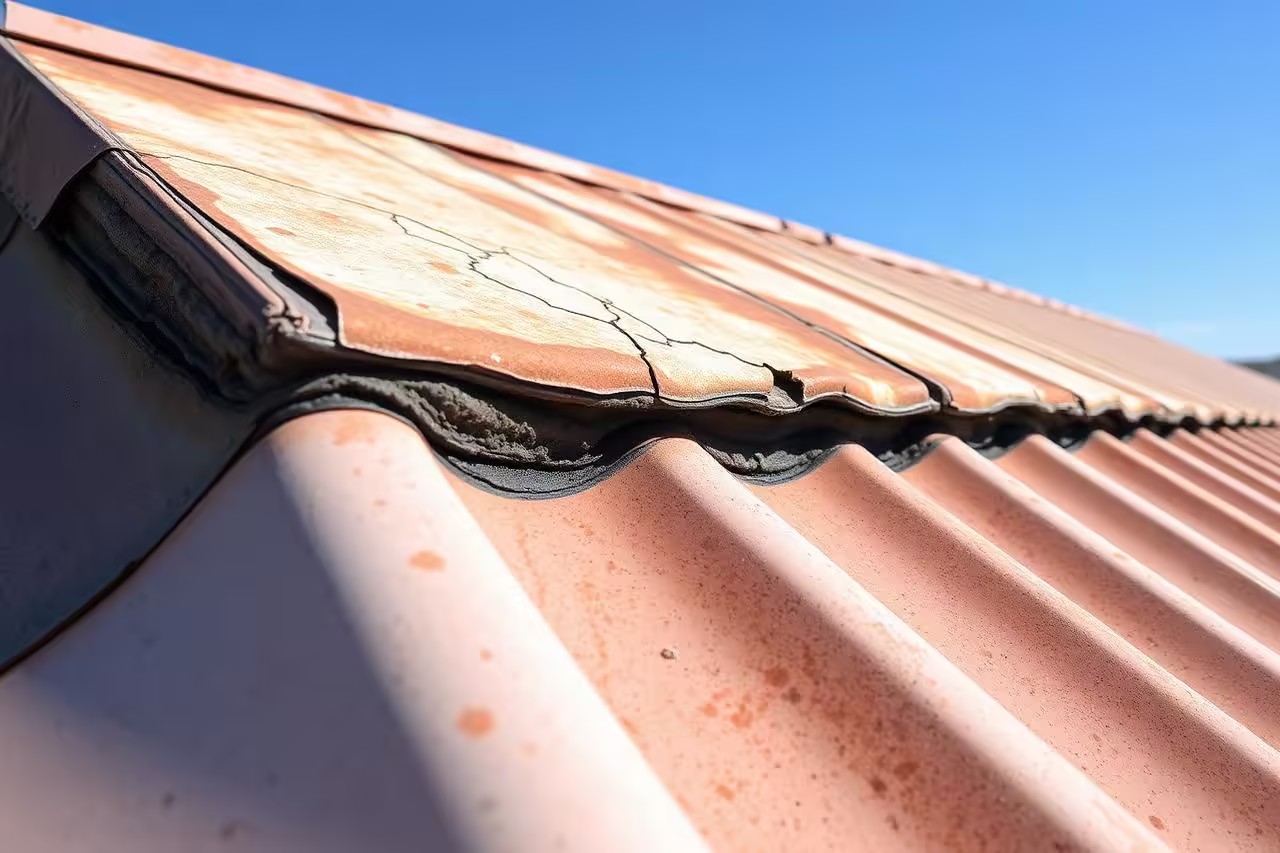
Metal roofing systems use panels of steel, aluminum, or other alloys, joined at raised standing seams or through fastener patterns, and finished with a protective coating.
It resists heat, wind, and impact exceptionally well, which is why it shows up regularly on Phoenix metro commercial buildings and is often the system owners think about the least once it is properly installed.
It is still vulnerable at its fasteners, seams, and panel finish over time, and how much attention it needs varies by the specific system and gauge. That is why a regular inspection schedule matters more on metal roofing than assuming it will simply outlast every other system without any maintenance at all.
Very Low Water Absorption
Metal itself does not absorb water, but fastener penetrations and seam laps are where leaks actually originate.
Fastener Condition Check
Exposed fasteners loosen and their washers degrade over time. Checking them regularly tells you whether the system is still sealed.
Inspect Every 6 To 12 Months
Typical for most systems, with more frequent checks warranted after high-wind or hail events.
Heat & Wind Resistant
Excellent on both counts, which is what makes metal a strong option for large commercial roof areas.
Know Which Metal System You Have
System type affects how fasteners are exposed and how much thermal movement the panels handle. Standing seam and exposed-fastener panels behave differently under the same Arizona sun.
Concealed fasteners, raised interlocking seams
Periodic seam and clip inspection, minimal exposed hardware to fail
Panel expansion stress at clips over many heat cycles
Screws visible through the panel face
Regular fastener and washer inspection, more frequent than standing seam
Washer degradation and fastener backout over time
Panels formed to resemble shingle or tile patterns
Inspect overlap laps for wind-driven rain intrusion
Lifted laps after high-wind events
Rough, heavily ribbed profile, common on industrial buildings
Check for coating wear at high points on the ribs
Debris collecting in the rib channels
Catch It Early
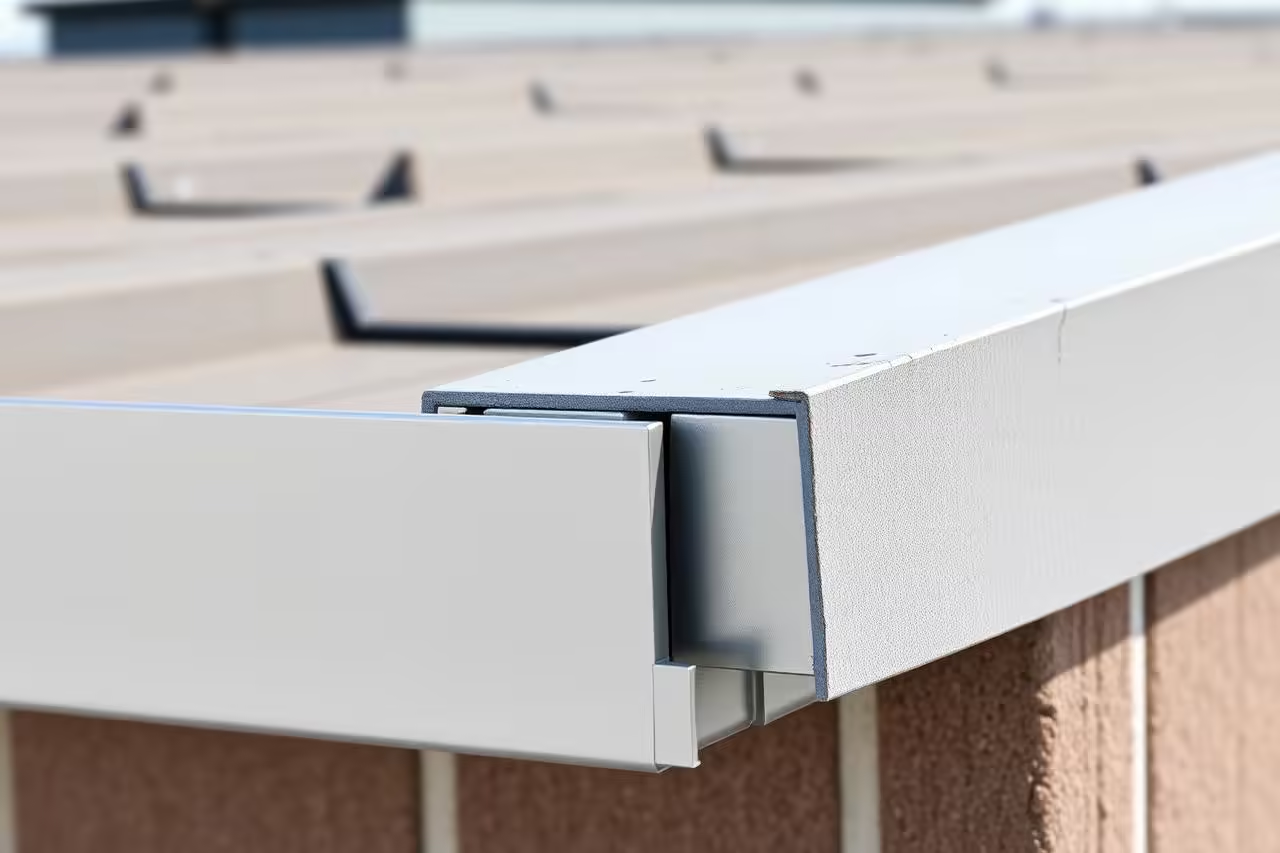
Metal roofing is durable enough that early problems are subtle. These are the signs worth checking on before they turn into leaks.
A Routine You Can Actually Keep
Metal roofing asks for consistent, focused attention. The routine fastener and seam check is the single habit that keeps everything else simple.
- Visual walk checking for loose fasteners, rust spots, and sealant condition
- Detailed inspection of penetrations, curbs, and rooftop equipment mounts
- Professional inspection with a written condition report
- Re-secure or replace fasteners and reseal seams as needed
The Deep Clean Process
This is the sequence a commercial roofing crew follows on an inspection visit, so a facility manager understands what is being checked and why.
- 01
Clear Debris From The Field
Remove loose debris and check rib channels or valleys where grit and organic matter can trap moisture against the finish.
- 02
Check Every Fastener
On exposed-fastener systems, check for backout, missing washers, or rust starting at the screw head.
- 03
Inspect Seams And Laps
Confirm standing seams remain tightly engaged and shingle-style laps have not lifted from wind exposure.
- 04
Inspect All Penetrations
Curbs, vents, and rooftop equipment mounts are the most common leak points on any metal roof system.
- 05
Assess The Finish
Check for chalking, fading, or coating breakdown that signals the protective finish is wearing thin.
- 06
Document Findings
Photograph and log every issue so repair priorities are clear and the roof's condition is tracked over time.
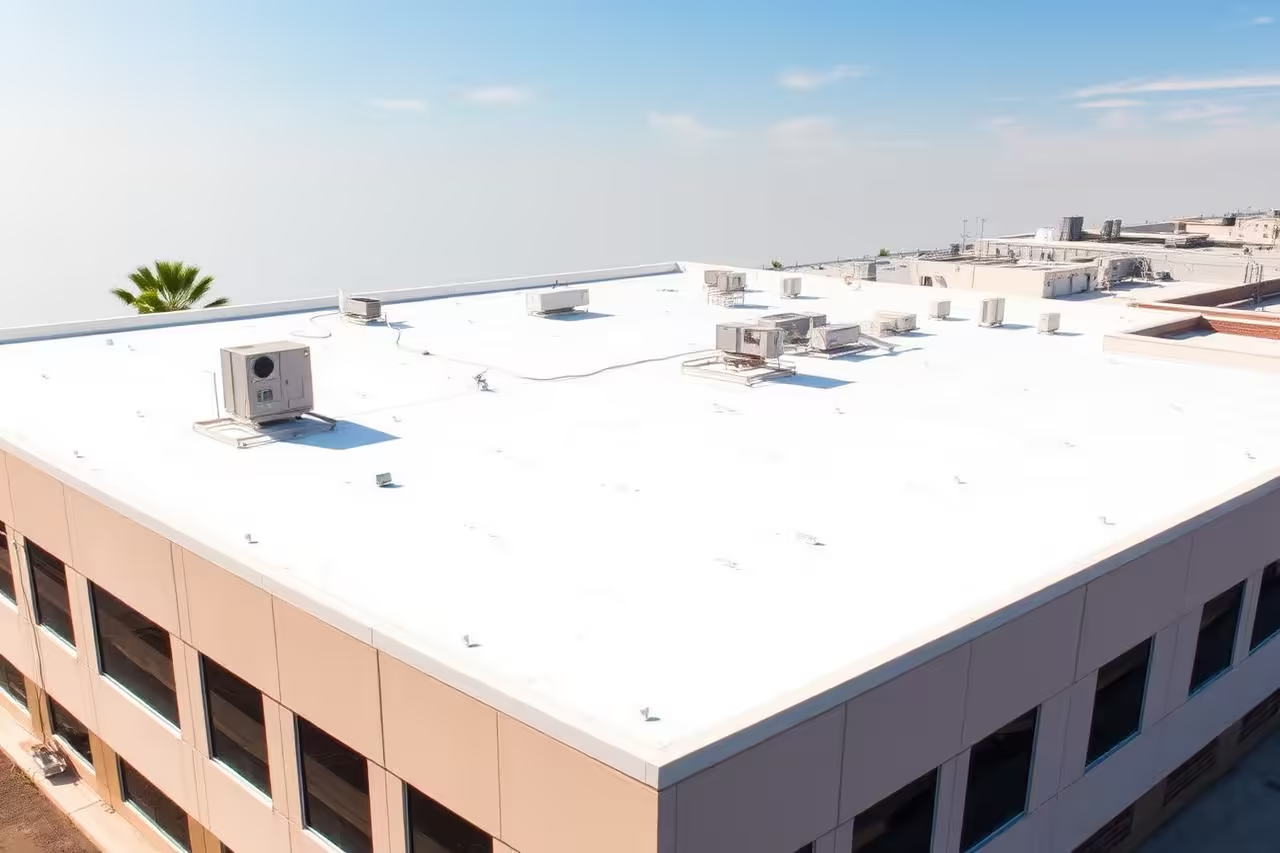
Fasteners And Penetrations Are Where Metal Roofs Leak
Fasteners and penetrations take the most stress on any metal roof system. These are the two areas to inspect first if a leak develops.
Both spots see constant thermal movement, wind load, and, on exposed-fastener systems, the ongoing risk of a washer degrading in direct sun. Checking those two areas at every scheduled visit catches nearly everything before it becomes an active leak.
- Inspect fasteners and penetrations first, not the open panel field
- Watch for washer degradation on exposed-fastener systems
- Keep sealant at penetrations fresh rather than letting it crack
- Re-secure any fastener showing early signs of backout
Failure & Repair Chart
Metal roofing is far more resistant than most systems, so most issues are localized. These are the ones that need a specific method.
Rust At Fasteners Or Cut Edges
Clean and treat the spot, replace the fastener if the head or washer has degraded
Sealant Cracking At Seams
Remove old sealant fully and reapply a compatible product rather than layering over it
Chalking Or Fading Finish
Evaluate for a recoat if chalking is widespread, since the finish is a functional UV barrier, not just cosmetic
Debris Buildup In Rib Channels
Clear promptly, since trapped organic debris holds moisture against the panel finish
Do This, Never That
Do
- Inspect fasteners and seams on a consistent schedule
- Address rust spots and loose fasteners promptly
- Keep rooftop equipment penetrations properly flashed and sealed
- Schedule inspections after high-wind or hail events
Don't
- Assume metal roofing never needs inspection because it looks intact from the ground
- Ignore chalking or fading finish, since it signals UV protection is wearing down
- Walk on panels without proper footwear or technique, which can dent or scratch the finish
- Delay resealing a cracked penetration detail
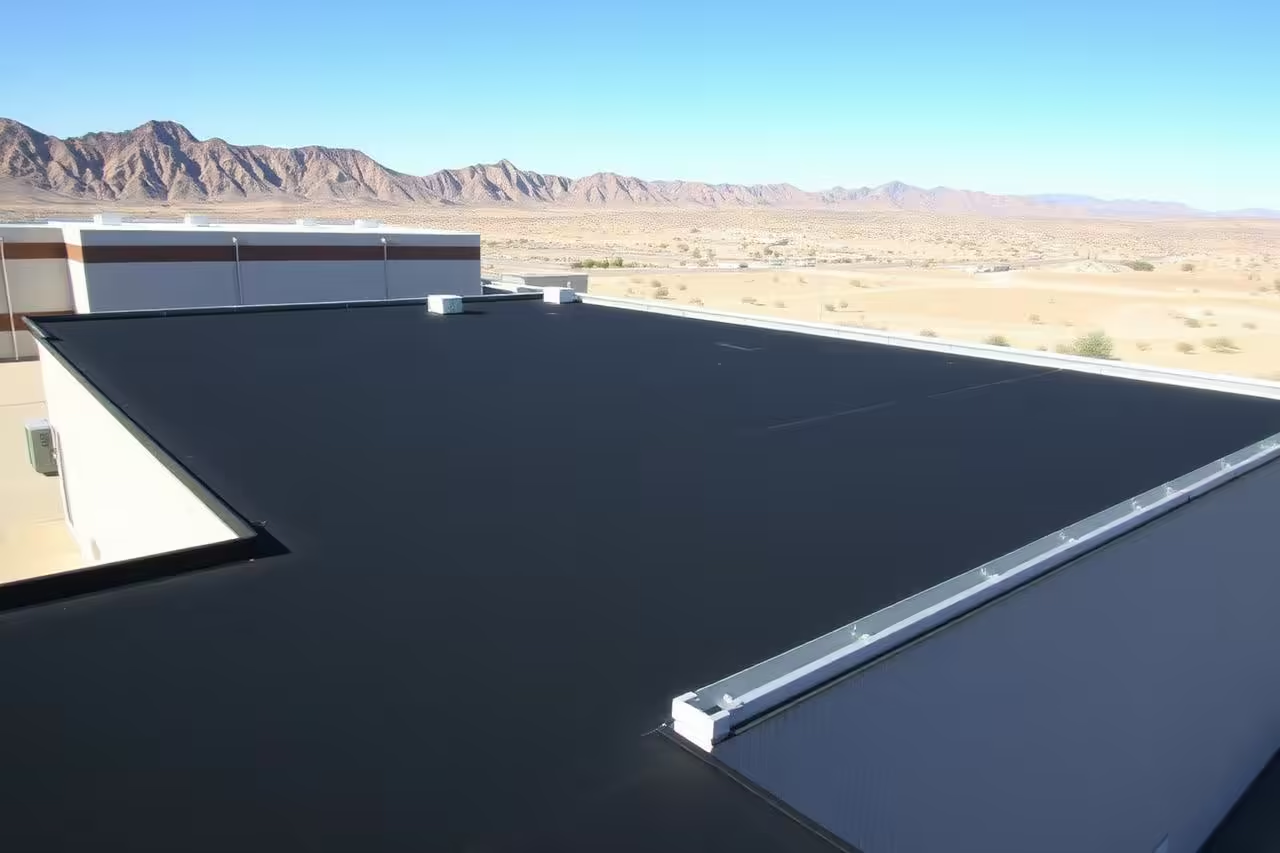
What Actually Gets Sealed
Coating and resealing decisions depend on fastener type, seam design, and finish condition, determined by inspection rather than a fixed calendar.
Seam And Fastener Sealant
Sealant at seams and fasteners wears from UV and thermal cycling and should be checked and refreshed on schedule.
Penetrations And Curbs First
Rooftop equipment penetrations lose their seal before the rest of the roof, so inspect and reseal there first.
Finish Coating
Some metal roofs benefit from a restorative coating once the factory finish begins chalking, extending service life.
When To Call A Pro
Homeowner care handles maintenance. These four situations are restoration work, and waiting on them almost always raises the cost.
Multiple Loose Or Missing Fasteners
Widespread fastener issues on an exposed-fastener system point to a systemic problem, not isolated wear.
Rust Spreading Beyond A Single Spot
Rust that has moved past the fastener head into the panel itself needs assessment before it compromises the panel.
Panel Waviness Or Movement
Noticeable panel movement beyond normal thermal flutter is a structural conversation, not a cosmetic one.
Persistent Leaks Despite Sealant Repairs
If resealing has not resolved a leak, the issue is likely deeper in the panel lap or deck and needs a full assessment.
Want A Read On Your Roof?
Free assessment across the Phoenix metro and Tucson.
Metal Roofing Systems Questions
Related Pages
Marble Care
The acid sensitive counterpart: why etching, not staining, is marble's real problem.
Learn moreRoof Coatings & Sealing
When a coating actually extends service life, which systems accept one, and recoat intervals.
Learn moreQuarry Tile Care
Dense unglazed clay tile: how it wears, and the maintenance it actually needs.
Learn moreReady When You Are
Protect Your Roof.
Get a Free Inspection.
Commercial roof installation, repair, and maintenance across the Phoenix metro and Tucson, locally owned and operated.
- Mon–Sat8 AM – 7 PM
- SundayClosed
- LicensedROC #359782
Phoenix Metro · Tucson
Free Roof Inspections For Owners & General Contractors