
Complete Guide · Updated For Arizona Commercial Roofs
Modified Bitumen Roofing Systems
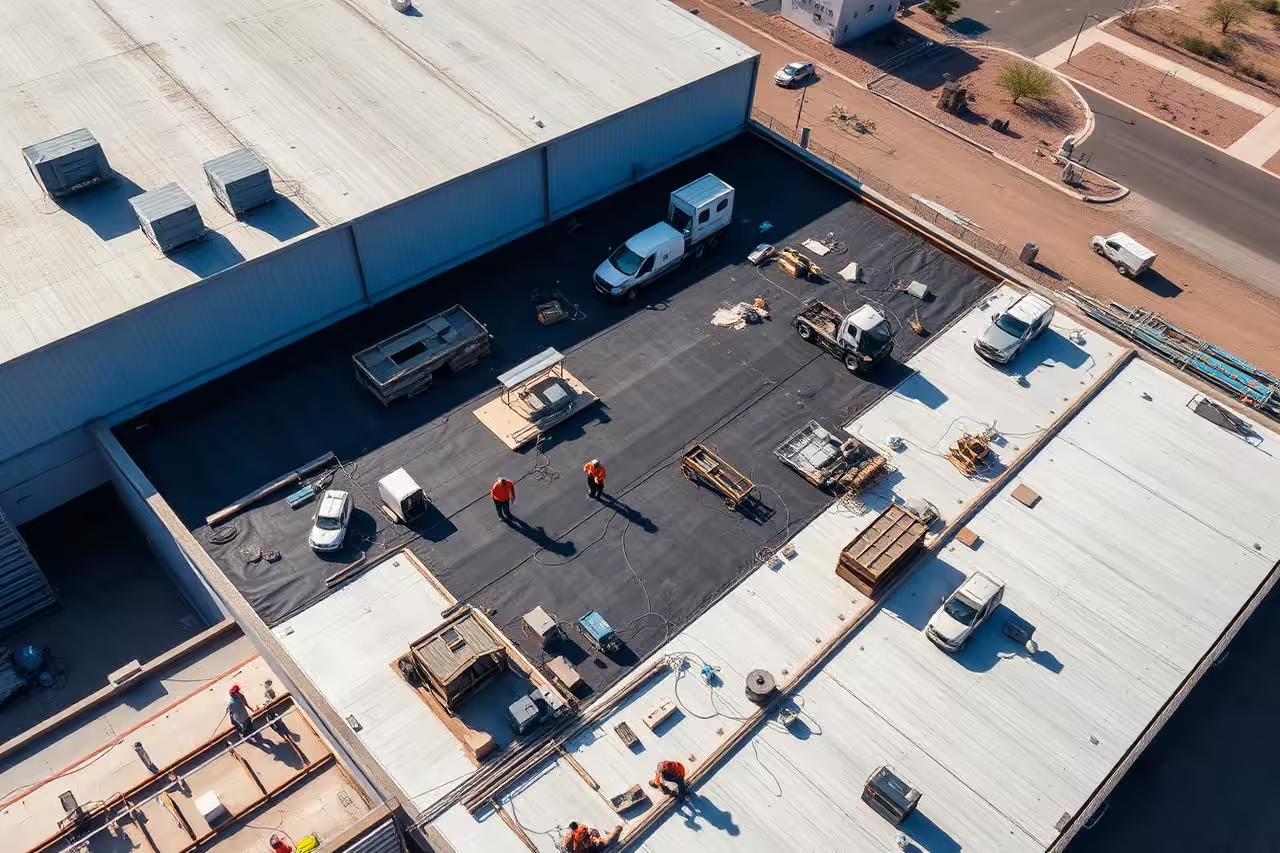
Modified bitumen is one of the most common low-slope systems on Phoenix metro commercial buildings, and it takes the hardest hit our climate offers: intense UV, extreme heat cycling, and monsoon downpours on seams that were never meant to sit under standing water.

What Modified Bitumen Actually Is
Modified bitumen is an asphalt-based roofing membrane reinforced with polymers, applied in multiple plies with overlapping seams that are the system's real load-bearing detail.
The asphalt is modified with either APP or SBS polymers to improve flexibility and resistance to temperature swings, then reinforced with fiberglass or polyester and finished with a granulated, smooth, or coated cap sheet.
In the Phoenix metro area, the two things that shorten a modified bitumen roof's service life are intense UV degradation of the asphalt and seam stress from daily heat cycling. Both are manageable with a documented maintenance program, and both are fully addressable with professional repair or a restorative coating before a small seam issue becomes a leak.
Seams Are The Weak Point
The membrane field rarely fails first. Torched, adhered, or hot-mopped seams are where water finds its way in.
Granule Coverage Matters
Granules shield the asphalt from UV. Bare, worn patches age the membrane underneath far faster than granulated areas.
Arizona Heat Factor
Intense sun and extreme surface temperatures accelerate asphalt aging and seam stress more than in milder climates.
Extended Service Life
A well maintained modified bitumen roof with a documented inspection program can reach and exceed its expected service life.
Know Which Application You Have
Maintenance changes with how the membrane was installed. Identify the application method before scheduling any repair or coating work.
APP membrane heat-welded seams, common cap sheet finish
Seam inspection each cycle, avoid abrasive foot traffic
Seam separation and scorching from uneven torch application
SBS membrane with a factory adhesive backing
Inspect edges and laps where adhesion can weaken with age
Edge lift at parapets and penetrations
Traditional built-up style application with mopped asphalt
Watch for flashing detail failure more than field failure
Blistering where moisture is trapped between plies
Liquid adhesive set membrane, no open flame installation
Standard field inspection and prompt seam repair
Incomplete bond at seams if adhesive cure time was rushed
Catch It Early
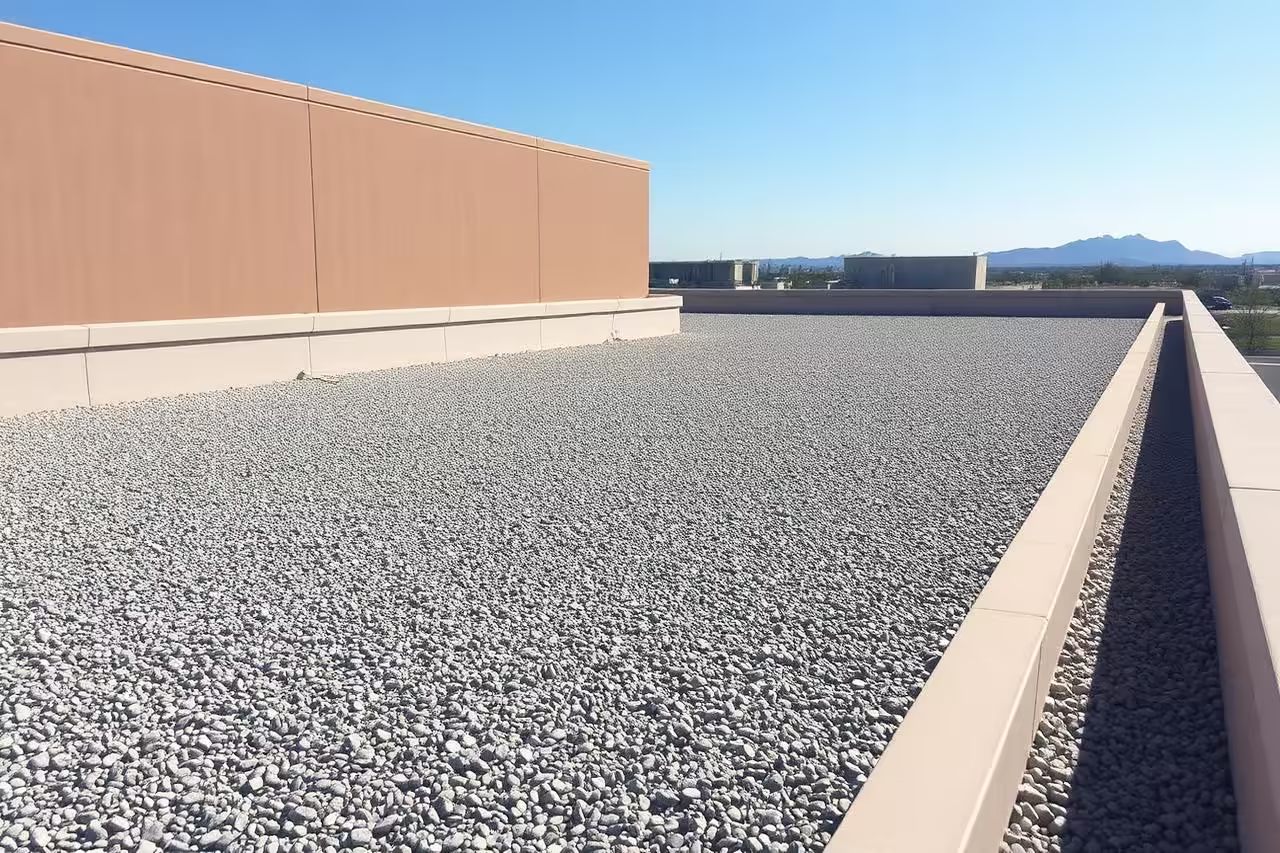
Modified bitumen rarely fails without warning. These are the signals that a seam, a flashing detail, or the membrane itself is losing ground.
A Routine You Can Actually Keep
Three cadences cover most modified bitumen roofs on commercial buildings. Keep the seasonal inspection habit and the annual repair list stays short.
- Visual walk of the field, seams, and flashing details
- Clear drains and scuppers of debris
- Photograph and log any new blistering or granule loss
- Inspect all penetrations, curbs, and parapet flashing
- Check for standing water beyond the 48 hour window
- Professional roof inspection with a written condition report
- Seam and flashing repairs identified during the walk
- Evaluate whether a restorative coating extends remaining service life
The Deep Clean Process
This is the sequence a commercial roofing crew follows on a scheduled maintenance visit, scaled for a facility manager to understand what is being inspected and why.
- 01
Clear The Field Of Debris
Remove loose debris and standing dirt so seams, blisters, and granule loss are actually visible during inspection.
- 02
Walk Every Seam
Check each seam and lap for separation, lifting, or exposed reinforcement fabric, not just the field of the membrane.
- 03
Inspect All Flashing Details
Parapets, curbs, and penetrations fail long before the membrane field does. Every detail gets checked, not sampled.
- 04
Verify Drainage Paths
Confirm drains, scuppers, and crickets are clear and directing water off the roof rather than pooling against a seam.
- 05
Document Findings
Photograph and log every issue found so repair priorities are clear and the roof's condition is tracked over time.
- 06
Schedule Repairs By Priority
Active leaks and standing water get addressed first, cosmetic granule loss and minor blistering get scheduled next.
Seams Are Where Modified Bitumen Fails
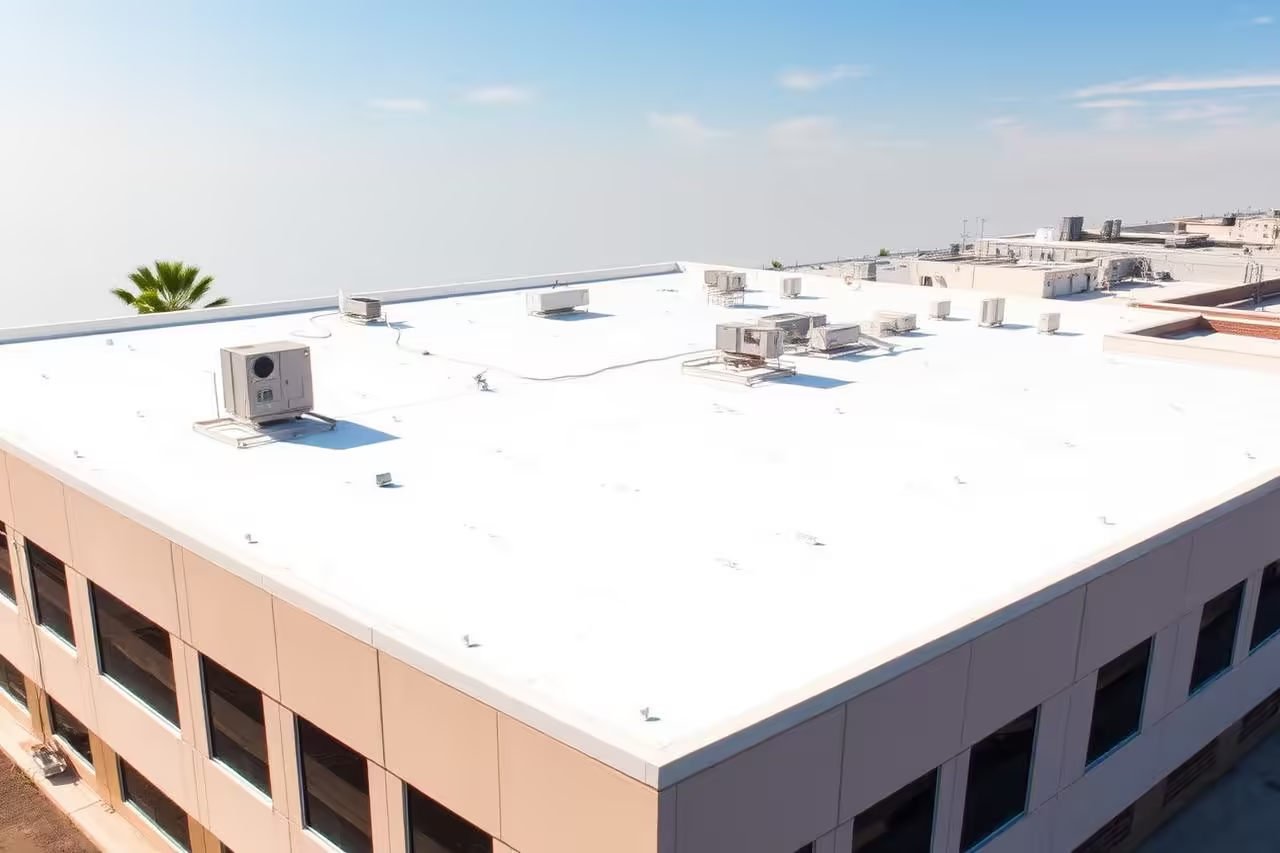
The membrane field is tough. The seams between sheets are where nearly every modified bitumen leak we diagnose actually starts.
Daily heat cycling in the Phoenix metro area expands and contracts the membrane constantly, and that movement puts continuous stress on every seam. A seam that looked fine last season can open enough to leak after another summer of expansion and contraction.
- Inspect seams on every scheduled visit, not just after a storm
- Address lifted or separated seams before monsoon season
- Reinforce high-stress seams near parapets and penetrations
- Track seam condition over time rather than only reacting to leaks
Failure & Repair Chart
Match the surface issue to the response. Cosmetic wear and structural failure require very different action.
Granule Loss On The Field
Monitor and plan a protective coating before bare asphalt accelerates UV aging
Blistering Or Bubbling
Professional assessment to determine if moisture is trapped below and whether the area needs to be cut and patched
Cracking Or Alligatoring
Localized repair for isolated cracking, full coating or overlay if the pattern is widespread
Standing Water Beyond 48 Hours
Drainage assessment. Tapered insulation or added drainage may be needed, not just a surface patch
Flashing Separation
Re-secure and reseal the flashing detail promptly, since this is the most common leak entry point
Punctures From Foot Traffic Or Debris
Patch repair matched to the existing membrane type and ply count
Do This, Never That
Do
- Schedule seasonal inspections, especially before and after monsoon season
- Keep drains, scuppers, and gutters clear of debris
- Address blistering and seam separation promptly, before they become active leaks
- Log roof condition over time with dated photos
- Restrict rooftop foot traffic to designated walk pads
Don't
- Ignore small blisters because the roof is not actively leaking yet
- Let standing water sit past 48 hours without investigating the cause
- Allow unrelated trade work on the roof without protecting the membrane
- Delay flashing repairs at penetrations and parapets
- Assume granule loss is only cosmetic
What Actually Gets Sealed
A properly applied protective coating can extend the service life of a sound modified bitumen roof and reduce surface temperature, which lowers ongoing thermal stress on seams.
The Full Membrane Field
A coating is applied across the entire roof surface once seams and flashing repairs are complete, not layered over an active leak.
Seams And Details First
Every seam and flashing detail is repaired and reinforced before a coating goes down, since coating over a failed seam only hides the problem.
Reflective Benefit
A reflective coating lowers surface temperature in direct Arizona sun, which reduces the daily expansion and contraction driving seam stress.
When To Call A Pro
Homeowner care handles maintenance. These four situations are restoration work, and waiting on them almost always raises the cost.
Recurring Leaks In The Same Area
A leak that returns after a spot repair usually means the underlying insulation or deck has already absorbed moisture and needs assessment.
Widespread Blistering
Blistering across large sections of the roof points to trapped moisture throughout the system, not an isolated issue.
Soft Or Spongy Deck Areas
A soft feel underfoot signals wet insulation or deck damage that requires investigation before it spreads further.
No Documented Inspection In Over A Year
A roof without a recent condition report is a roof with unknown risk. A free inspection establishes the baseline before scheduling any work.
Want A Read On Your Roof?
Free assessment across the Phoenix metro and Tucson.
Modified Bitumen Roofing Systems Questions
Related Pages
Pool Deck Stone Care
Sun, splash out, and pool chemistry: how to keep deck stone sealed and safe underfoot.
Learn moreRoof Coatings & Sealing
When a coating actually extends service life, which systems accept one, and recoat intervals.
Learn moreLimestone Care
A close cousin to travertine: soft, acid sensitive, and dependent on a working sealer.
Learn moreReady When You Are
Protect Your Roof.
Get a Free Inspection.
Commercial roof installation, repair, and maintenance across the Phoenix metro and Tucson, locally owned and operated.
- Mon–Sat8 AM – 7 PM
- SundayClosed
- LicensedROC #359782
Phoenix Metro · Tucson
Free Roof Inspections For Owners & General Contractors